

web analytics

Introduction to Acupuncture

Acupuncture is a holistic healing practice rooted in Traditional Chinese Medicine (TCM) that involves inserting thin needles into specific points on the body. This ancient technique aims to balance the body’s energy, or Qi (pronounced “chee”), facilitating natural healing and promoting overall wellness. 

Originating over 2,500 years ago in China, acupuncture has evolved and gained popularity worldwide, recognized for its effectiveness in treating various ailments. Learn more about the History of Acupuncture

Houston Acupuncture

7737 Southwest Freeway
Medical Plaza 2, Suite 250
Houston, TX 77074

281-661-8334

How Acupuncture Works

Acupuncture is based on the concept of meridians, which are pathways through which Qi flows. By inserting needles at specific acupuncture points, practitioners aim to unblock energy flow, restore balance, and stimulate the body’s natural healing processes. Each point corresponds to different organs and functions in the body, allowing targeted treatment of various health issues.

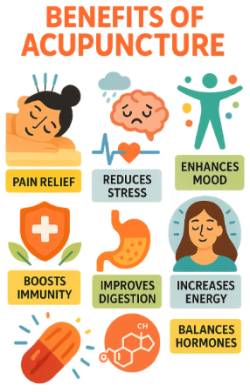
Benefits of Acupuncture

Acupuncture offers numerous benefits, including:

  • Pain Management: Effective for chronic pain conditions such as back pain, arthritis, and migraines.
  • Stress Relief: Reduces anxiety and promotes relaxation, making it useful for mental health.
  • Improved Energy: Helps with symptoms of fatigue, difficulty waking up in the morning, frequent daytime naps, inability to complete work tasks.
  • Immune Response: Boosts the immune system and reduce frequency of coughs, colds, upper respiratory illnesses and urinary tract infections.
  • Improved Sleep: Helps those suffering from insomnia by promoting relaxation and regulating sleep cycles.
  • Digestive Health: Alleviates symptoms of irritable bowel syndrome (IBS), nausea, and other digestive issues.
  • Research Support: Numerous studies highlight its efficacy, with acupuncture increasingly integrated into pain management protocols.
Benefits of Acupuncture

Types of Acupuncture

Different acupuncture styles exist, each with unique methodologies:

  • Traditional Chinese Acupuncture: Focuses on restoring balance and harmony using classical techniques.
  • Japanese Acupuncture: Utilizes finer needles and gentler techniques, often emphasizing palpation.
  • Electro-Acupuncture: Involves attaching a small electrical current to needles, enhancing stimulation.
  • Auricular Acupuncture: Targets specific points on the ear, beneficial for addiction, stress, and pain relief.
  • Cosmetic Acupuncture: Aims at promoting youthful appearance by enhancing facial circulation and collagen production.

Finding a Qualified Acupuncture Professional

Choosing a qualified acupuncturist is crucial for safe and effective treatment. Look for professional acupuncture practitioners who are licensed and certified by recognized acupuncture boards. 

Ask about their training, experience, and treatment approaches to ensure they align with your needs. Trust your instincts; a good practitioner will listen to your concerns and make you feel comfortable.

Additionally, consider seeking referrals from healthcare professionals or friends who have had positive experiences. This can help you find a practitioner with a proven reputation for delivering quality care.

What to Expect During an Acupuncture Session

During your first acupuncture session, you’ll undergo an initial consultation where the practitioner will assess your health history and discuss your concerns. The treatment typically involves lying comfortably while the practitioner gently inserts needles at designated points. Sessions last about 30 to 60 minutes. Aftercare may include advice on follow-up sessions and self-care practices to maximize benefits. Learn more about what to expect during your acupuncture session.

Safety & Risks of Acupuncture

Acupuncture is considered safe when performed by a qualified professional. Common side effects may include slight bruising or soreness at needle sites. It’s essential to notify your acupuncturist if you have certain conditions, such as bleeding disorders or are pregnant. Always consult with a healthcare provider before starting treatment.

Acupuncture in Modern Medicine

Acupuncture is increasingly recognized in Western medicine for its therapeutic benefits. Many hospitals and clinics now offer acupuncture as part of pain management and rehabilitation programs. Case studies demonstrate successful outcomes in various conditions, further validating its role in integrative health.

FAQs about Acupuncture

Acupuncture is a holistic therapy that stimulates specific points along the body’s meridians, enhancing the flow of Qi (energy) and blood. This practice helps regulate organ systems and can promote healing by tonifying Qi or dispersing pathogenic factors. Discover how acupuncture can influence your health.  

Acupuncture can support weight loss by regulating hormones, improving metabolism, and reducing inflammation. It helps control appetite by modulating hormones like ghrelin and leptin, which are crucial for hunger regulation. Explore the scientific backing for these benefits and how acupuncture can aid your weight loss journey.

Acupuncture & Breast Feeding WomenCombining acupuncture and Chinese herbal medicine can effectively support lactation in breastfeeding women. These therapies address issues like insufficient milk production and expression, boosting Qi and blood flow. Learn how these methods can benefit new mothers.

Research shows that acupuncture can alleviate arthritis pain by blocking pain signals, reducing inflammation, and improving circulation. It serves as a complementary therapy to manage pain and enhance the overall quality of life for those with arthritis. Check out more insights into how acupuncture can help with Arthritis Pain.  

Acupuncture may relieve tinnitus by reducing anxiety, improving circulation, and addressing underlying chronic conditions. Initial studies suggest it can enhance quality of life for tinnitus sufferers. Discover more detailed information and to see how it might help your Tinnitus

Acupuncture supports the endocrine system by balancing hormones, enhancing communication between the endocrine and immune systems, and reducing inflammation. This holistic approach can lead to improved hormone regulation and overall health. Discover the five ways acupuncture benefits endocrine health

Acupuncture is effective for chronic headaches and migraines. It modulates the nervous system, releases endorphins, and improves circulation, offering significant pain relief. Explore the benefits of acupuncture for headache management

Acupuncture has been shown to enhance fertility in both men and women by reducing stress, regulating menstrual cycles, and improving blood flow to reproductive organs. It is often used alongside IVF treatments. Discover a deeper understanding of how acupuncture can support fertility

Acupuncture is increasingly recognized for its benefits in treating neurological conditions, including headaches, Alzheimer’s, and Parkinson’s disease. It stimulates nerves and improves circulation, contributing to better neurological health. Explore the potential of acupuncture for neurological conditions

Acupuncture can support heart health by improving heart rate variability, enhancing autonomic nervous system function, and increasing overall cardiovascular performance. This ancient practice is gaining traction as an adjunct therapy for individuals with heart conditions. Discover heart-healthy effects of acupuncture.

Resources and Further Reading

  • Books: “The Web That Has No Weaver” by Ted J. Kaptchuk
  • Websites: NCCAOM (National Certification Commission for Acupuncture and Oriental Medicine)
  • Research Studies: Check databases like PubMed for recent clinical studies on acupuncture.
  • Acupuncture Today: https://acupuncturetoday.com/
  • The Foundations of Chinese Medicine by Giovanni Maciocia

Can Acupuncture Help with Weight Loss

Can Acupuncture Help with Weight Loss

Several studies show that acupuncture can help with weight loss through a variety of physiological mechanisms. As a whole-body form of treatment, acupuncture’s effects can provide systemic

Read More »
Skip to content