
1. General Acupuncture Questions
 What is Acupuncture?
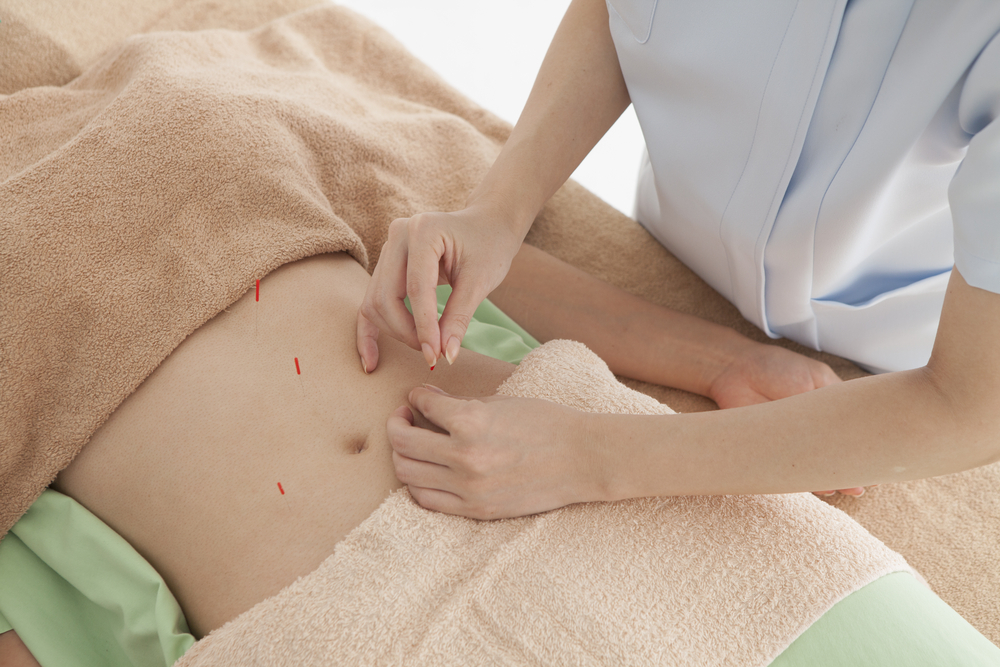
Acupuncture is an ancient Chinese medical practice involving the insertion of sterile, ultra-thin needles into specific points on the body to stimulate the flow of Qi (energy) and restore balance. This technique has been refined over thousands of years and is used today to address a wide range of health conditions. Learn more
How can acupuncture help me?
Acupuncture can help address many common health issues by correcting imbalances in the body’s energy flow (Qi). By restoring natural balance, it supports overall wellness and can alleviate a variety of symptoms and disorders.
What is the relationship between herbal medicine and acupuncture?
Chinese herbal medicine and acupuncture are complementary therapies rooted in the same traditional principles. When used together, they can enhance each other’s effectiveness, providing a more comprehensive approach to health. Dr. Cherian often recommends combining both for optimal results.
What should I consider when deciding to use Acupuncture?
Before starting acupuncture, it’s important to understand the process, expected outcomes, and to consult a qualified practitioner. This ensures a safe, effective experience and maximizes the healing benefits of acupuncture. What to Expect
2. Acupuncture Safety, Process & Preparation
Is acupuncture safe?
Yes, acupuncture is widely recognized as a safe procedure when performed by a licensed practitioner using sterile needles. Minor side effects like bruising are rare and usually resolve quickly. Always inform your practitioner if you have a bleeding disorder, are pregnant, or use a pacemaker.
Does acupuncture hurt?
Most people experience little to no pain during acupuncture. The needles are extremely thin and gently inserted, often causing sensations like warmth or tingling rather than discomfort. If any pain occurs, the practitioner will adjust the treatment. More details
What should I expect during my first acupuncture appointment?
Your first visit will include paperwork, a thorough medical history, and an examination (including tongue and pulse checks). The acupuncturist will develop a personalized treatment plan, and you’ll receive your first session, which typically lasts up to 30 minutes. First appointment info
Are there any side effects of acupuncture?
Side effects are rare and usually minor, such as slight bruising or irritation at needle sites. Serious complications are extremely uncommon when acupuncture is performed by a licensed professional.
How should I prepare for an acupuncture session?
Wear loose, comfortable clothing and eat a light meal beforehand. Avoid caffeine and strenuous activity right before your appointment.
How long does an acupuncture session last?
Sessions typically last 30–60 minutes, depending on your condition and treatment plan.
What should I do after an acupuncture treatment?
After treatment, rest and hydrate. Avoid strenuous activity and allow your body time to absorb the benefits.
3. Acupuncture Frequency, Results, and Cost
How many acupuncture sessions will I need?
The number of sessions depends on your specific condition and response to treatment. Some issues improve after a few sessions, while others require ongoing care.
How often should I get acupuncture?
Initially, more frequent sessions (twice a week) may be recommended. As your condition improves, you can reduce to once or twice a month. Patient Information
How soon will I feel results from acupuncture?
Most patients notice improvement within 2–3 months of consistent treatment. For best results, Dr. Cherian suggests committing to at least six months of care.
Is acupuncture covered by insurance?
Houston Acupuncture does not accept insurance, allowing for highly individualized care. The focus is on delivering quality, personalized treatment that provides significant health benefits.
4. Conditions Treated
 What conditions can acupuncture treat?
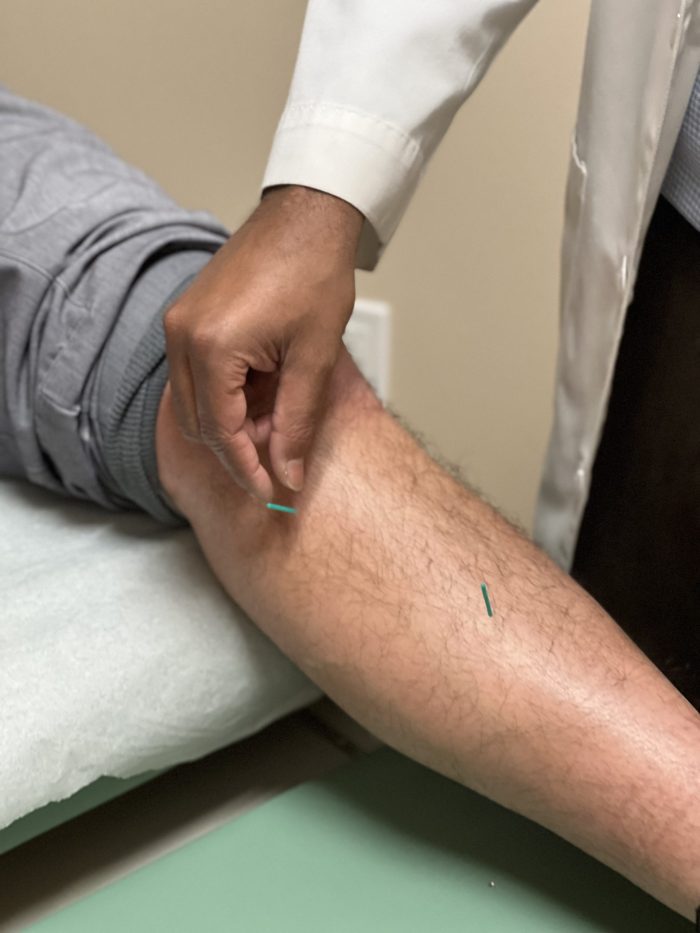
Acupuncture is used to address a wide variety of health issues, including:
- Chronic pain (neck, back, osteoarthritis)
- Headaches and migraines
- Cardiovascular conditions
- Anxiety and depression
- Neurological disorders (Alzheimer’s, Parkinson’s)
- Fertility and menstrual issues
- Digestive problems
- Skin conditions
- Respiratory conditions
Can acupuncture help with chronic pain?
Yes, acupuncture is effective for chronic pain, including back, neck, pelvic, and joint pain. It works by stimulating nerves, releasing endorphins, and improving circulation. Learn more about acupuncture for chronic pain.
Can acupuncture help with migraines or headaches?
Acupuncture can significantly reduce the frequency and severity of headaches and migraines by modulating the nervous system and promoting endorphin release. Learn more about Acupuncture for Headaches.
Can acupuncture help with arthritis?
Research shows acupuncture can relieve arthritis pain by blocking pain signals, reducing inflammation, and improving circulation.
Can acupuncture help with allergies?
Acupuncture may help reduce allergy symptoms by balancing the immune system and decreasing inflammation.
Can acupuncture help with weight loss?
Studies suggest acupuncture can aid weight loss by regulating hormones, improving metabolism, and controlling appetite. Learn more about acupuncture and weight loss.
Can acupuncture help with fertility or infertility?
Acupuncture can support fertility by regulating hormones, reducing stress, and improving blood flow to reproductive organs. It is often used alongside IVF and other treatments. Learn more about acupuncture and Fertility
Can acupuncture help with anxiety or depression?
Yes, acupuncture has been shown to reduce symptoms of anxiety and depression by balancing neurotransmitters and supporting the nervous system.
Can acupuncture help with asthma or respiratory issues?
Acupuncture may help manage respiratory conditions like asthma by improving lung function and reducing inflammation. Learn more about the benefits of acupuncture on respiratory health
Can acupuncture help with digestive issues?
Acupuncture can address digestive problems such as IBS, ulcers, and GERD by regulating the nervous system and improving gastrointestinal motility. GI health
Can acupuncture help with insomnia or sleep problems?
Acupuncture can improve sleep quality by regulating hormones and reducing stress, supporting overall endocrine health.
Can acupuncture help with neuropathy?
Acupuncture is increasingly used to support neurological health, including neuropathy, by stimulating nerves and enhancing circulation.
5. Specialized & Medical Questions
What is the difference between acupuncture and dry needling?
Acupuncture is a core practice of traditional Chinese medicine, designed to balance the body’s energy flow (Qi) by stimulating specific points along meridians. The goal is to restore harmony and promote natural healing for a wide range of conditions. In contrast, dry needling is a Western medical technique that uses similar needles but focuses on releasing muscle trigger points to relieve pain and improve mobility, without the broader holistic philosophy of acupuncture.
Are the needles used in acupuncture sterile and safe?
Absolutely, acupuncture needles are strictly regulated for safety. Licensed practitioners use sterile, single-use needles, which are disposed of after each session to completely eliminate the risk of infection or cross-contamination. This ensures that every treatment is both safe and hygienic for all patients.
How do I choose a qualified acupuncturist?
Selecting a qualified acupuncturist involves checking for proper licensing and credentials, which indicate that the practitioner has met recognized education and safety standards. It’s also helpful to look for experience in treating your specific health concerns. Reading reviews and seeking recommendations from trusted sources can provide additional confidence in your choice.
Can children receive acupuncture?
Yes, children can safely benefit from acupuncture when treated by a practitioner skilled in pediatric care. Techniques and needle sizes are adjusted to ensure comfort and safety for younger patients. Many parents find acupuncture helpful for a variety of childhood conditions, from allergies to digestive issues.
Can pregnant women get acupuncture?
Acupuncture can be a supportive therapy during pregnancy, helping to manage symptoms like nausea, back pain, and stress. However, it’s crucial to work with a practitioner who is experienced in prenatal acupuncture to ensure that only safe, pregnancy-appropriate points are used. Always inform your acupuncturist if you are pregnant so they can tailor your treatment accordingly.
Is acupuncture safe for people with medical conditions or on blood thinners?
Acupuncture is generally considered safe for most people, including those with chronic health conditions. If you have a bleeding disorder or are taking blood thinners, it’s essential to inform your acupuncturist before treatment. The practitioner can then take extra precautions or adjust the technique to minimize any risks.
What sensations will I feel during acupuncture?
Most patients report little to no pain during acupuncture, as the needles are extremely fine and gently inserted. Common sensations include a mild tingling, warmth, or a feeling of heaviness or pressure at the needle site, which are all normal and often indicate the treatment is working. If any discomfort occurs, it is usually brief and can be quickly addressed by your practitioner.
Can acupuncture be combined with other treatments or therapies?
Yes, acupuncture is often used alongside conventional medical treatments, including medications, physical therapy, or chiropractic care. This integrative approach can enhance overall results and provide more comprehensive symptom relief. Always inform your healthcare providers about all therapies you are receiving to ensure coordinated and safe care.
What is electro-acupuncture?
Electro-acupuncture is a modern variation of traditional acupuncture where a mild electrical current is passed through the needles to intensify stimulation at specific points. This technique can boost the effectiveness of treatment, especially for conditions like chronic pain or muscle spasms. The electrical pulses are carefully controlled and typically produce a gentle tingling sensation.
Can acupuncture help with cancer-related symptoms?
Acupuncture is frequently used as a complementary therapy for cancer patients to help manage symptoms such as pain, nausea, and fatigue. It can provide relief from side effects of chemotherapy or radiation, improving overall quality of life during treatment. Always consult with your oncology team before starting acupuncture to ensure it aligns with your medical care plan.
6. History, Science, and Theory
What is the history of acupuncture?
Acupuncture originated in China over 2,000 years ago and has evolved into a widely practiced form of medicine worldwide.
What is the difference between traditional Chinese acupuncture and medical acupuncture?
Traditional Chinese acupuncture is based on balancing Qi along meridians, while medical acupuncture adapts the practice to Western medical principles and diagnoses.
How does acupuncture support overall wellness?
By restoring balance and promoting the body’s natural healing processes, acupuncture supports physical, mental, and emotional well-being.